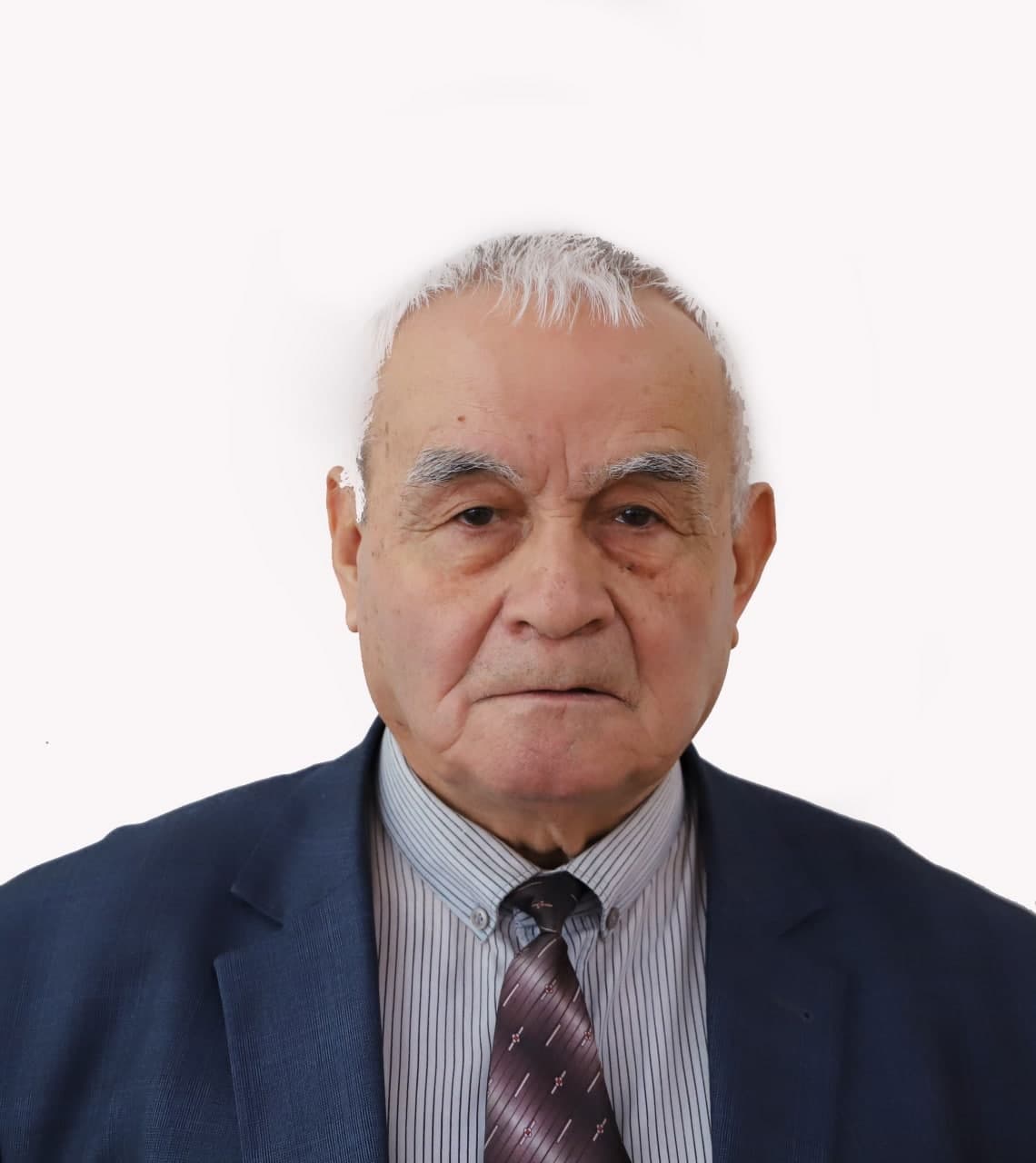
Author: Xatamov, Tursunboy Xamdam o‘g‘li
Annotation: From 1991 to 2024, U.S. policy in Central Asia was aimed at ensuring security, stability, and strengthening democratic institutions. After the war in Afghanistan, Washington’s activity in the region intensified. However, disagreements over human rights issues limited cooperation. In the 2010s, attempts were made to promote regional integration through the “C5+1” format. Uzbekistan, through its “multi-vector” foreign policy, maintained a balance with major powers. Since 2016, U.S.–Uzbekistan relations have intensified in the economic and security spheres. At the same time, the human rights issue has remained relevant. In the 2020s, the growing influence of Russia and China compelled Tashkent to reconsider its foreign policy priorities. In 2024, agreements with Russia in the field of nuclear energy marked a turning point in ensuring energy security. As a result, U.S. policy, aimed at integration and stability, was combined with Uzbekistan’s multi-vector strategy, strengthening its role as an active player in the region.
Keywords: U.S. policy, Central Asia, Uzbekistan, geopolitics, security, multi-vector policy, integration, stability, cooperation, development, human rights, democracy, foreign policy, diplomacy, independence, Russia, China, energy, nuclear, economy, strategy, region, balance, initiatives, global processes.
Pages in journal: 677 - 681