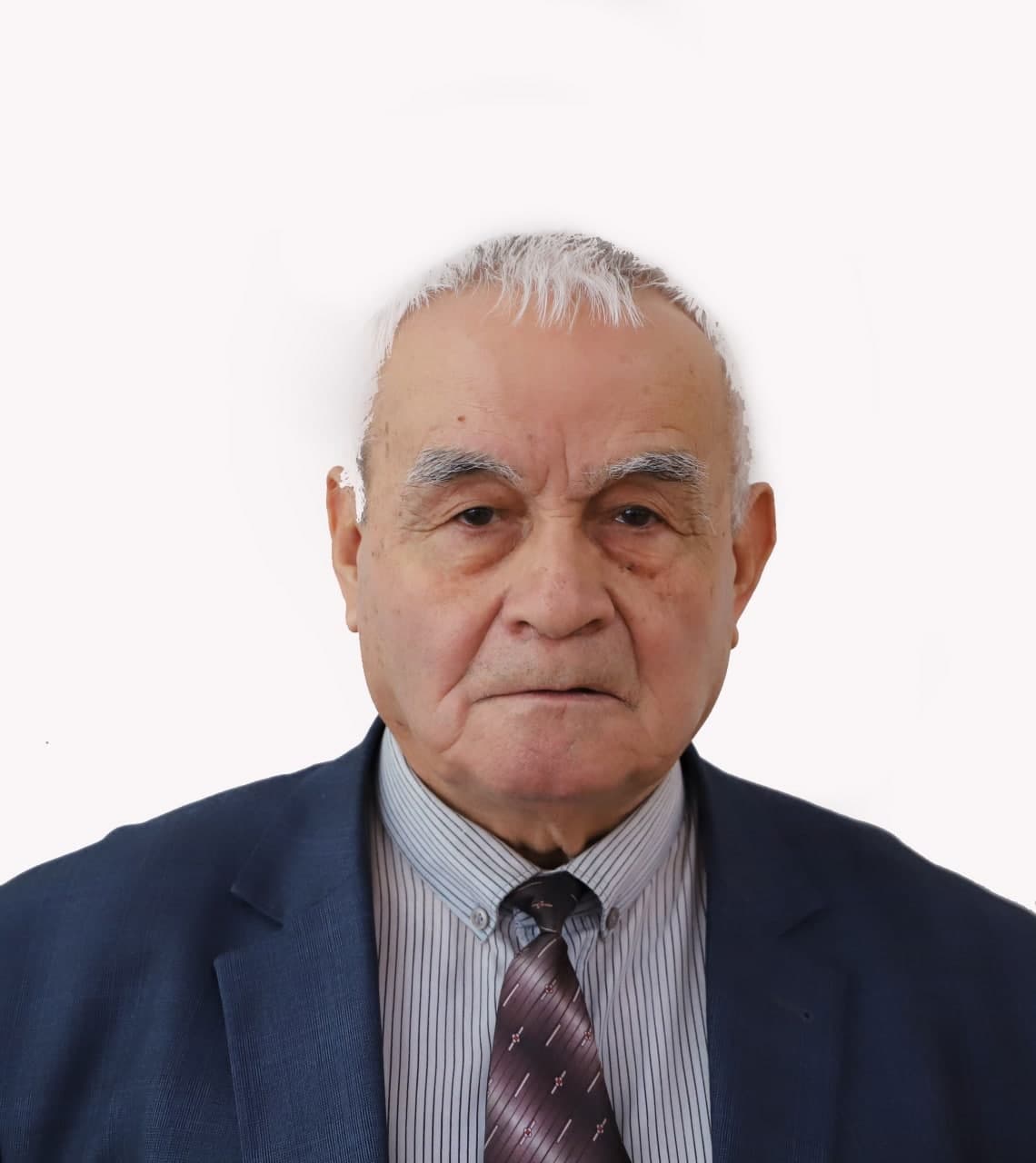
Author: Qian, Zhou
Annotation: In the context of Sino-Soviet interactions during the 20th century, Guo Moruo emerged as a pivotal figure. As one of the foremost modern Chinese writers to arise from the New Culture Movement, he was among the earliest intellectuals to engage with Russian and Soviet ideological frameworks. Throughout the War of Resistance against Japanese Aggression, Guo actively facilitated cultural exchanges between China and the Soviet Union. His extensive dialogues with diverse representatives in the Soviet Union, coupled with his visit there in 1945, enriched his understanding of its social system and cultural heritage, thereby shaping his perception of what can be termed as "the Soviet image." Following the establishment of the People’s Republic of China, Guo Moruo embraced dual roles as a leader within China’s cultural sphere and a diplomatic envoy, dedicating himself to fostering cooperation in cultural domains between both nations. Consequently, by examining Guo Moruo’s historical materials pertaining to Russia and the Soviet Union—alongside an analysis of his reception of their ideological concepts, perceptions regarding their societal experiences and systems, as well as his stance on Sino-Soviet cultural exchanges—it becomes feasible to conduct a comprehensive investigation into how Russian and Soviet influences have permeated China’s historical development process. This study seeks not only to illuminate political and diplomatic dimensions but also delve into deeper authentic Sino-Soviet relations during that era while extracting valuable historical insights for providing inspiration for the development of amicable, good-neighborly, and mutually prosperous cooperative relations with neighboring countries in the future.
Keywords: Sino-Soviet relations;Guo Moruo;Russian Literature.
Pages in journal: 405 - 423